

For Dying Matters Week in New Zealand, Jenny Moss shares how honest conversations, planning and choice helped her family farewell Steve in a way filled with love, nature and meaning.
After decades shaping young minds as a teacher, Jenny Moss has discovered the most important lesson of all: the healing power of talking about and planning for death.
Jenny and her husband Steve were deeply woven into the fabric of their community, both serving as teachers and later enjoying retirement in Luggate. When Steve was diagnosed with aggressive prostate cancer in early 2022, their lives changed overnight. Despite successful treatment and a hopeful few years following, a sudden diagnosis of incurable spinal cancer in June 2025 gave them just a few more weeks together.
"We’d been together nearly 54 years," Jenny recalls. "When we realised the end was near, we started asking how do we do this well?"
This included moving celebrations for their 54th wedding anniversary forward to July and bringing the party to Steve’s hospital bed in Dunstan Hospital in Clyde.
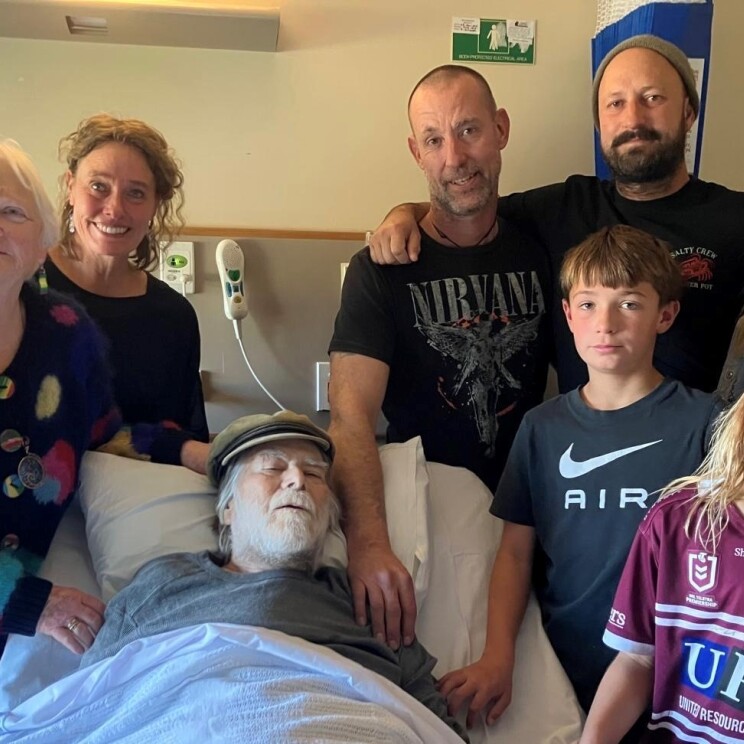
We had balloons, flowers, chocolate, cake, ginger ale and a family photo laced with laughter and love.
Steve spent five weeks in Dunstan Hospital, with a few short stays in Dunedin Public Hospital in that time. It was during his last few days in Dunstan, when Steve was able to speak clearly much of the time, that the couple talked about his wishes for what would happen for him after death.
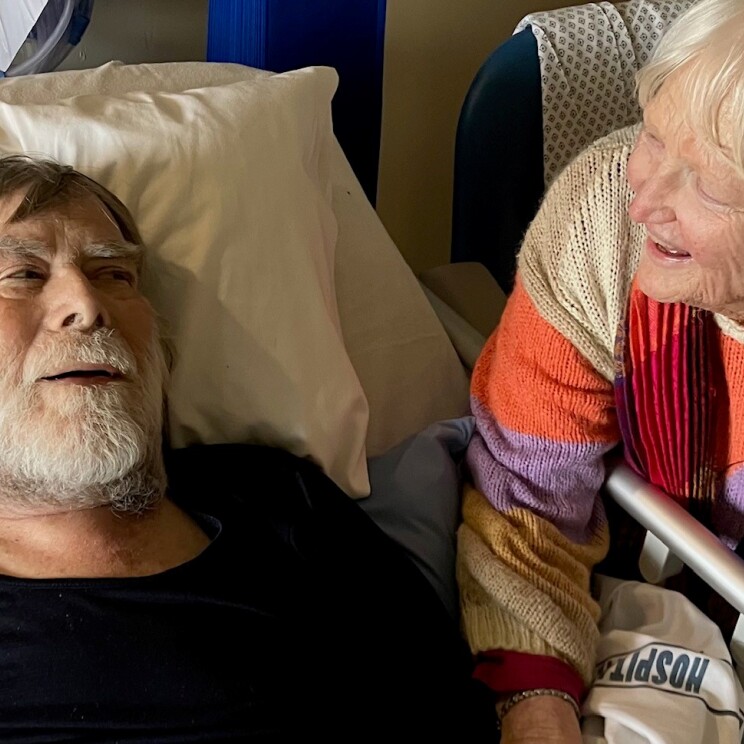
Jenny credits the Death Café Wanaka – a local group that is part of an international movement that encourages open conversations about dying – for giving her the tools to navigate this heartbreaking time. “Before any of this happened, we had attended quite a few meetings of the Death Café - never thinking we were going to need it so soon,” she says.
Together, Jenny and Steve planned every detail, down to his last outfit – which would include his favourite Beatles Abbey Road t-shirt. Friends and family creating a simple cotton shroud from a sheet, decorated with cut up pieces of his pink paisley wedding tie and flax putiputi flowers from an art workshop they’d taken part in while at Cancer Society’s Daffodil House during Steve’s stay in Dunedin for radiation treatment for his prostate cancer. One of Steve’s sons made a plywood board to lay him on and carry him when he died, which Jenny says the Death Café folk affectionately call the ‘Return to Sender’ board.
With her knowledge learned at the Death Café the family were able to book Steve into a crematorium without using a funeral director. There was some paperwork but it was all manageable, says Jenny.
Many family members and friends visited him during his final days in the palliative care unit at Aspiring Care and Steve’s immediate family used the time to plan a farewell that honoured Steve’s love of home and nature.
After his death, Jenny brought Steve home for three days, surrounded by family, friends, and the mountains he loved.
Jenny has a cherished memory of the afternoon Steve died that continues to bring her peace.
During Steve’s five weeks in hospital, Jenny had kept up their morning ritual of feeding the native birds – tui and bellbird – with sugar water and seed. Each day, she updated Steve about their visits, knowing how much he missed watching them at the garden feeder. That connection to nature became a thread of comfort between them. So, when six bellbirds flew into the cherry tree on the afternoon Steve died as Jenny sat out on her deck and began singing , Jenny announced to her family: “Steve is in a safe place.”
“Steve promised he would give me a message that he was okay. I felt a sense of calm that comes with certainty.’”
Jenny’s message to others is this: “I’d like people to know there’s a choice”.
Many people will want to “go down the normal funeral director way” she says, but it’s good to be aware of and research your options. Talking early and planning together can make the hardest goodbye a healing experience.
“Knowing that there was a choice – that really helped us. We did it our way and (our family) all agreed that was the healing way for us.”
- To learn more about farewell planning and Dying Matters Week events across New Zealand, visit the Go With Grace website here.
The person with cancer may respond to stress in a completely different way to you, and this can be h…
If your friend or a family member has cancer, you might feel unsure about how to talk to them or how…
When your loved one is diagnosed with cancer, there may be changes in family roles and routines.